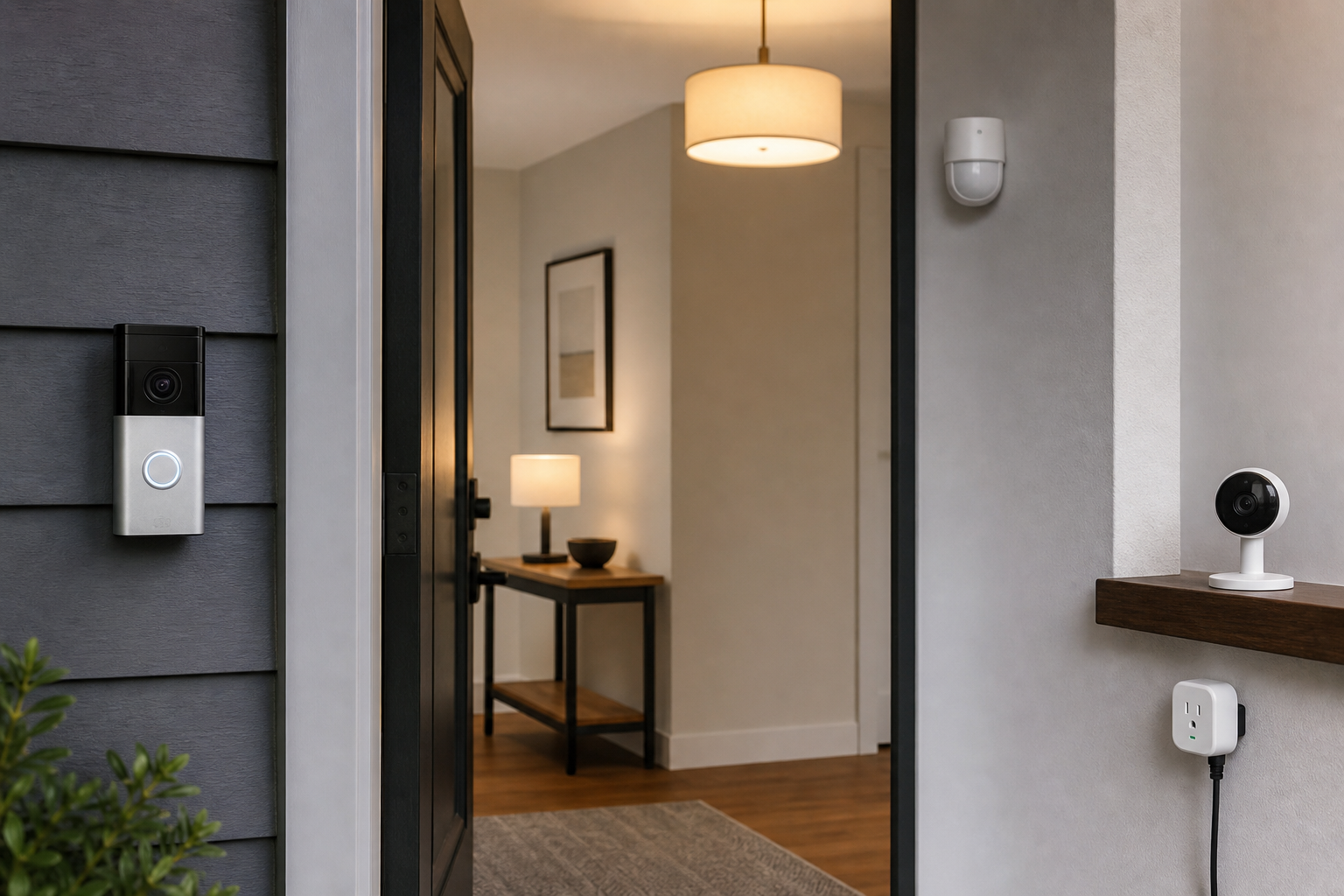
Start with the hours you want to improve
Smart home gear is easier to choose when you map it to daily routines instead of starting with specs. Morning needs may favor lighting schedules and smart plugs, daytime use may focus on entry alerts, and night use may depend on motion lighting and low-light camera performance.
- Morning: compare smart plugs, lighting schedules, and contact sensors
- Daytime: look at video doorbells, delivery alerts, and indoor motion detection
- Evening: check dimming range, scenes, and bulb color temperature
- Night: review night vision, motion zones, and privacy controls
Compare cameras, sensors, and lighting together
For security cameras, image resolution is only one part of the decision. Field of view, storage options, alert speed, weather rating, and app usability often matter just as much. Sensors should be judged by battery life and placement flexibility, while smart bulbs need reliable dimming and compatibility with existing fixtures.
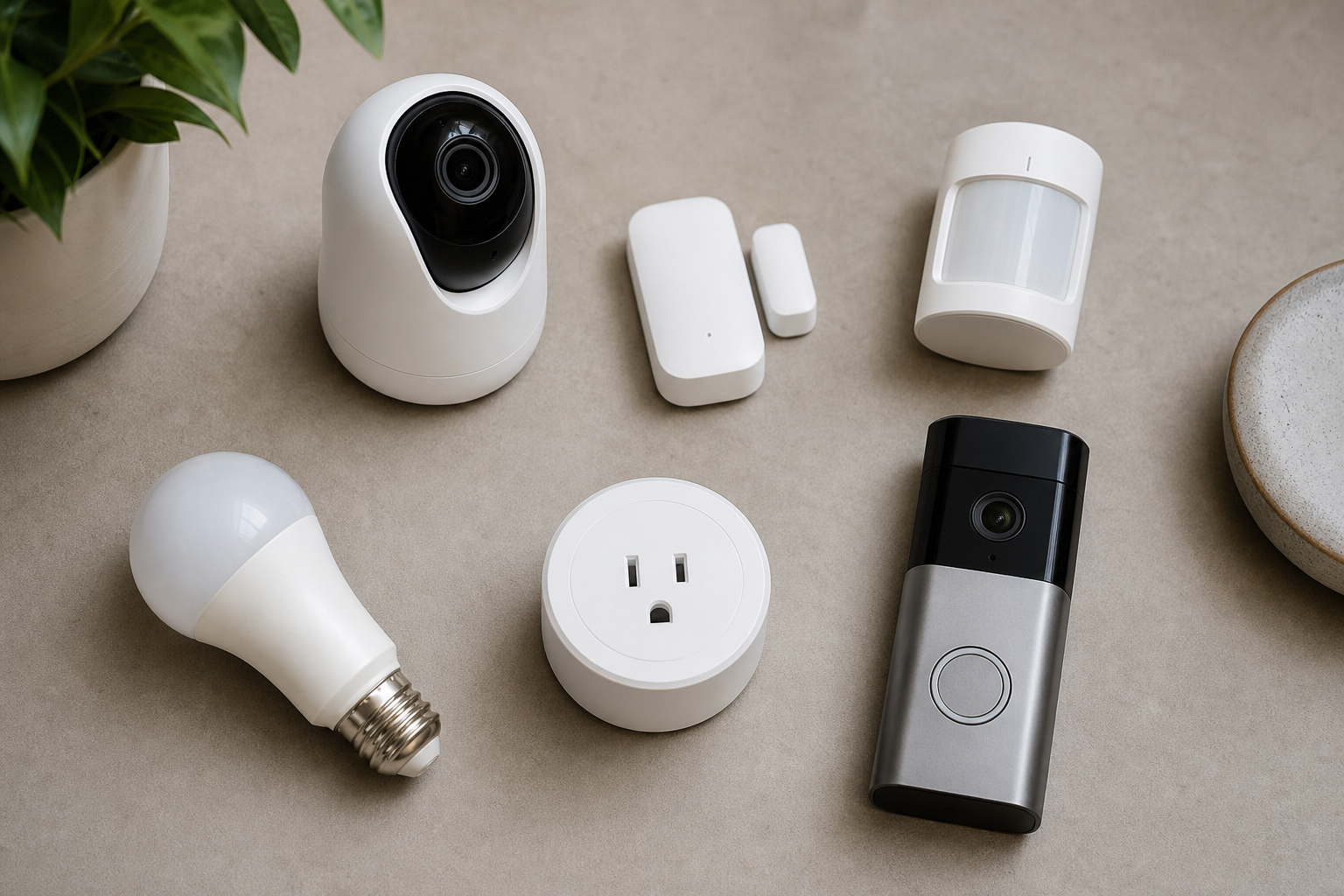
- Camera: compare resolution, viewing angle, audio, and storage choices
- Doorbell: check wiring needs, chime support, and package-view angle
- Sensor: choose contact, motion, leak, or temperature sensors by use case
- Lighting: confirm hub requirements, automation support, and switch behavior
Check ecosystem fit before buying
If you already use a smart speaker, phone ecosystem, or home app, compatibility can save setup time. Stores and online retailers are useful neutral places to verify price, delivery timing, return policy, and availability, but the better choice is the device that fits your routines and privacy preferences.
- Compare Wi-Fi-only devices with hub-based systems
- Separate cloud storage, local storage, and subscription features
- For rentals, prefer non-destructive mounting where possible
- Review household access, shared alerts, and data settings
Frequently asked questions
What should I compare first?
Use daily routines to compare security cameras, sensors, smart lighting, plugs, and video doorbells with practical, neutral buying criteria. Start with use frequency, dimensions, warranty, replacement parts, recent reviews, and the return policy before chasing the lowest price.
Should I check Amazon, Coupang, or AliExpress first?
Use Amazon and Coupang for fast delivery categories, then compare AliExpress for low-cost accessories, parts, and bundles.
Where should I confirm price and availability?
Prices, coupons, shipping times, and stock change often, so confirm the final details on the merchant page before buying.