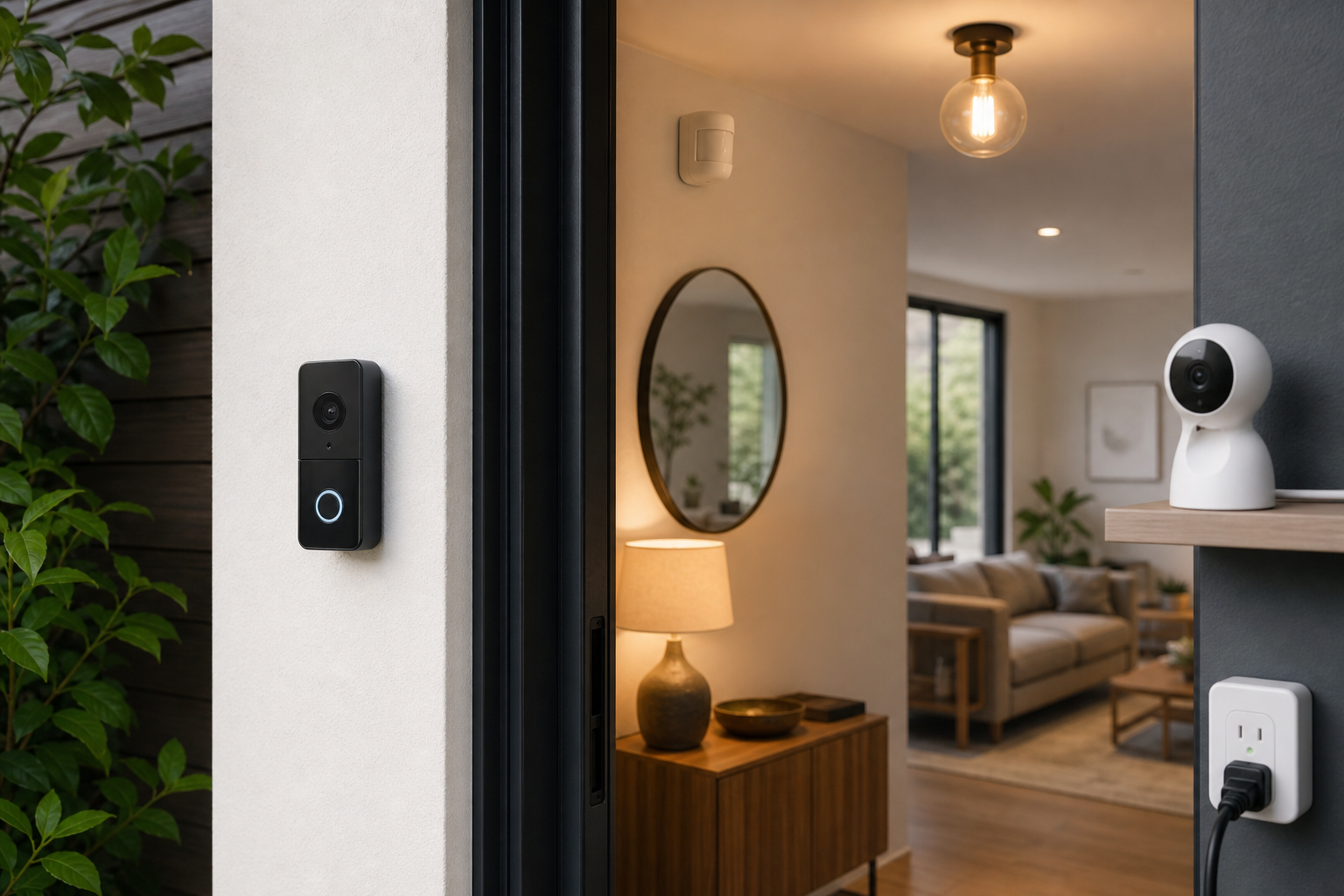
Start With Real Household Use Cases
A useful smart home plan starts with routines, not device count. List the moments you actually want to improve, such as checking the front door, seeing package activity, lighting a hallway at night, or turning off appliances when you leave.
- Check compatibility with the voice assistant or smart home platform you already use.
- Map devices by location, such as entryway, garage, hallway, nursery, or kitchen.
- Confirm whether Wi-Fi is enough or whether a hub, bridge, or wired power is required.
Compare Each Device Category Clearly
For security cameras and video doorbells, do not judge only by resolution. Compare field of view, night performance, two-way audio, storage options, and alert controls. Sensors work best when the job is specific, such as door contact, motion, leak detection, or temperature tracking.
Smart plugs should be checked for load rating and physical size, while smart bulbs should match your brightness needs, color temperature preferences, and wall-switch habits.
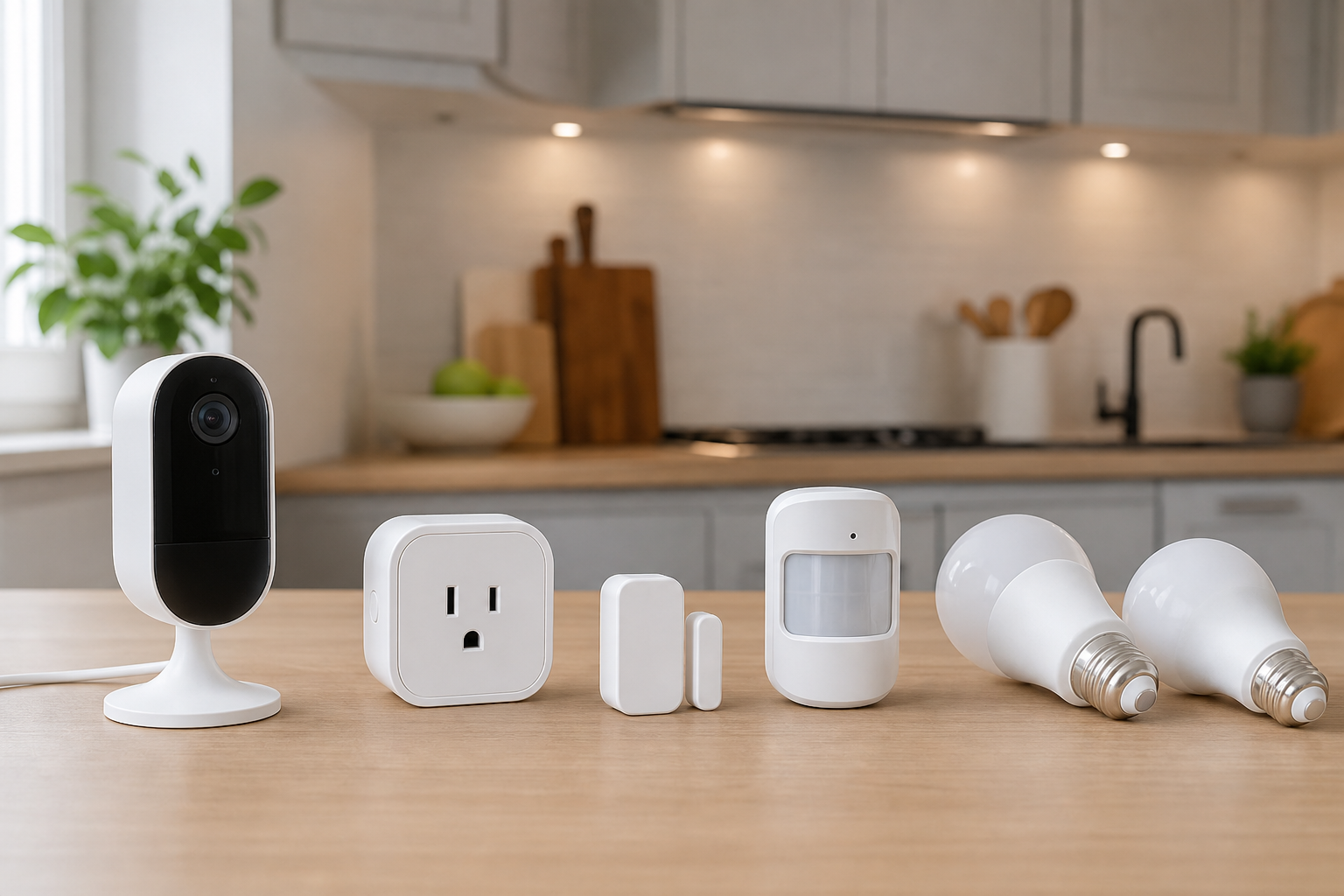
- Cameras: compare local versus cloud storage, recording triggers, and notification controls.
- Sensors: look at battery life, response speed, mounting method, and automation support.
- Lighting: check brightness range, dimming quality, color temperature, and switch compatibility.
Check Ownership Costs Before Buying
Smart home gear depends on setup quality and long-term management. Before buying, review app support, account security, shared household permissions, and whether paid storage or advanced alerts are necessary for your use.
Use stores and online retailers as neutral places to verify price, delivery timing, return policy, and availability.
- Confirm which core features work without a subscription.
- Review recording retention and privacy settings for cameras and doorbells.
- Test Wi-Fi range and alert accuracy within the return window.
Frequently asked questions
What should I compare first?
A practical guide to choosing cameras, video doorbells, sensors, smart plugs, and bulbs by comparing ecosystem fit, installation, privacy controls, and long-term ownership needs. Start with use frequency, dimensions, warranty, replacement parts, recent reviews, and the return policy before chasing the lowest price.
Should I check Amazon, Coupang, or AliExpress first?
Use Amazon and Coupang for fast delivery categories, then compare AliExpress for low-cost accessories, parts, and bundles.
Where should I confirm price and availability?
Prices, coupons, shipping times, and stock change often, so confirm the final details on the merchant page before buying.