Start With Ecosystem and Connectivity
Smart home products are easiest to live with when they work together. Before comparing individual devices, check compatibility with your preferred voice assistant, hub, router, phone platform, and automation app.
You do not need to buy a complete system at once. A practical approach is to prioritize entry security, indoor sensing, and lighting automation, then choose devices that can expand over time.
- Wi-Fi devices are simple to install, but router quality and signal coverage matter.
- Matter, Thread, Zigbee, and Z-Wave support can improve long-term compatibility.
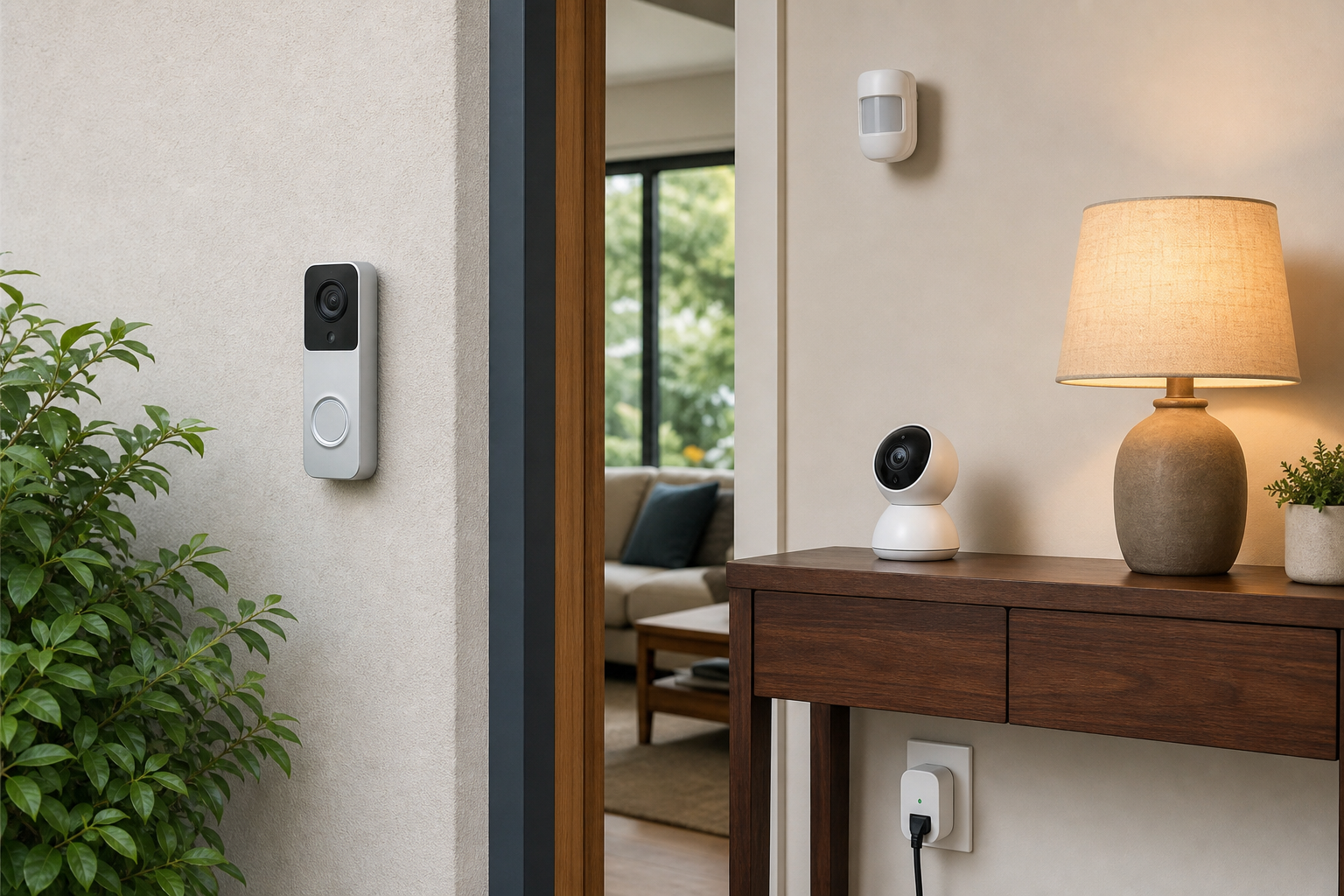
- For cameras and doorbells, compare power source, storage method, night image quality, and field of view.
- Use stores neutrally to verify price, delivery, return policy, and availability.
Compare Security Devices by Placement and Privacy
For security cameras and video doorbells, resolution is only one part of the decision. Field of view, backlight handling, motion zones, alert quality, and mounting options can matter more in daily use.
Think in locations: front door, driveway, hallway, garage, or shared entry. Each place may need a different mix of weather resistance, battery life, wiring, and notification settings.
- Outdoor devices should be checked for weather rating, operating temperature, and cable exposure.
- Compare local storage, cloud storage, subscription requirements, and video retention limits.
- Privacy shutters, activity zones, encryption, and two-factor authentication are useful evaluation points.
- Renters may prefer adhesive mounts, battery doorbells, and devices that leave minimal marks.
Match Lighting and Sensors to Real Automations
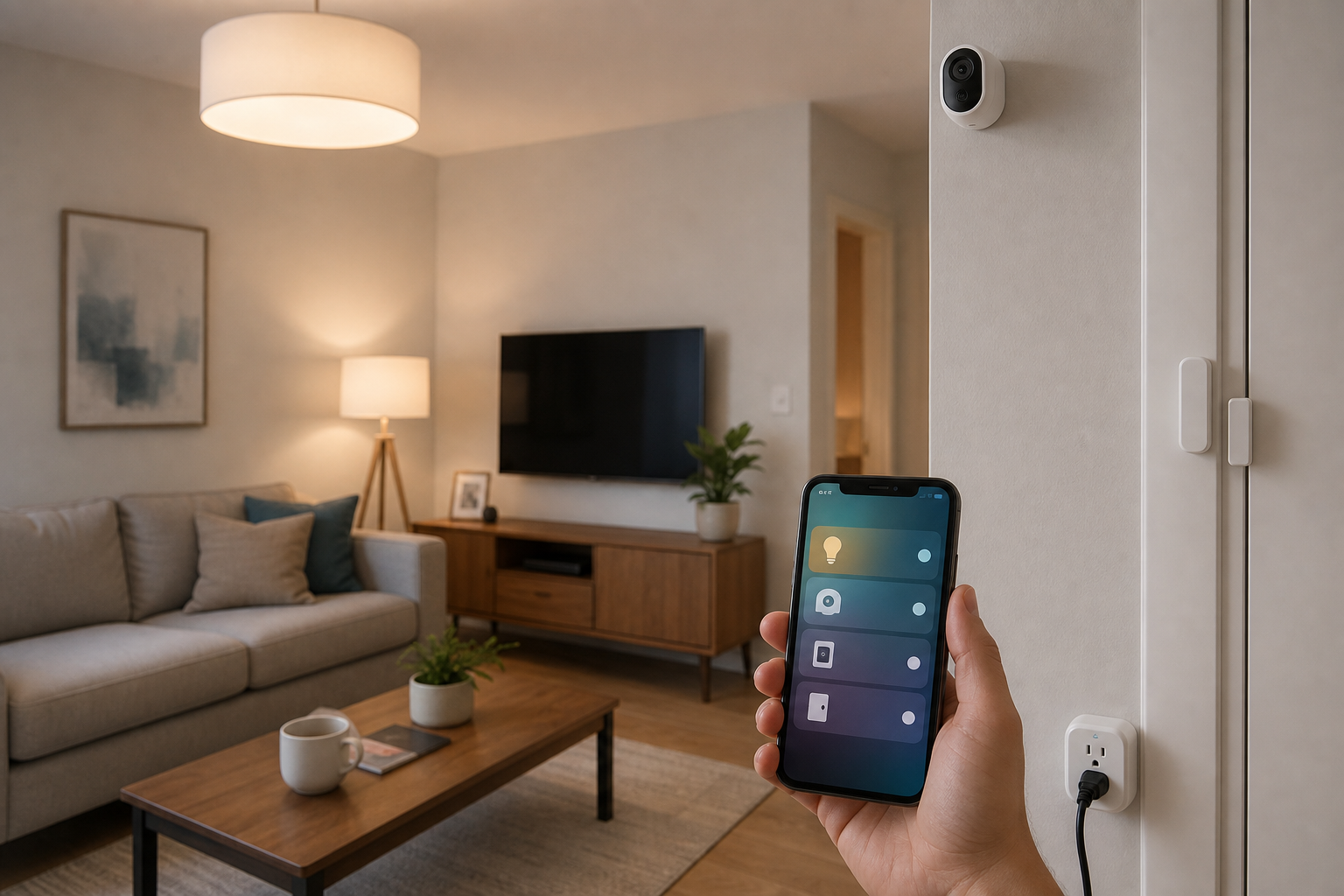
Smart bulbs, smart plugs, contact sensors, and motion sensors are most useful when tied to specific routines. Start with simple scenes such as hallway lights after sunset, plug shutdown when away, or alerts when a door opens.
A smaller, reliable setup usually beats a large system that needs constant adjustment. Choose devices with clear app controls, predictable schedules, and easy manual override for everyone at home.
- For smart bulbs, compare brightness, color temperature range, dimming behavior, and standby power.
- For smart plugs, check maximum load and whether the connected appliance is suitable for switching.
- For sensors, review battery life, replacement process, mounting method, and notification delay.
- Keep automation rules simple at first, then add conditions only when they solve a real problem.
Frequently asked questions
What should I compare first?
A neutral guide to choosing security cameras, video doorbells, sensors, smart plugs, and bulbs using practical buyer criteria. Start with use frequency, dimensions, warranty, replacement parts, recent reviews, and the return policy before chasing the lowest price.
Should I check Amazon, Coupang, or AliExpress first?
Use Amazon and Coupang for fast delivery categories, then compare AliExpress for low-cost accessories, parts, and bundles.
Where should I confirm price and availability?
Prices, coupons, shipping times, and stock change often, so confirm the final details on the merchant page before buying.