Start with ecosystem and connection type
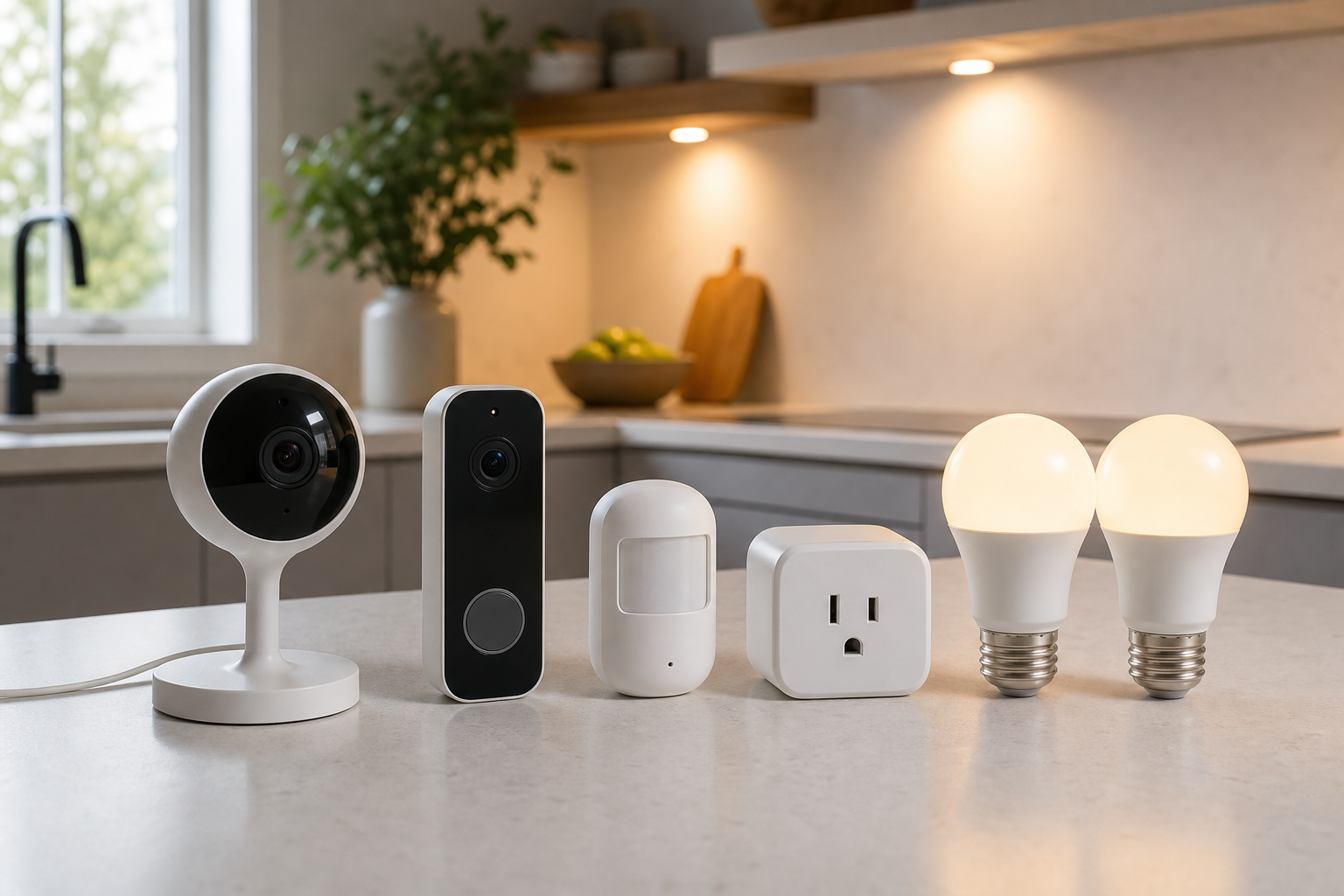
Smart home gear is most useful when devices work together reliably, not when each device looks strong in isolation. Before comparing models, check support for your phone, voice assistant, hub, router, and preferred control app.
Wi-Fi devices are easy to start with, but a growing setup can add load to your router. Compare Matter, Thread, Zigbee, and Z-Wave support, and note whether a hub is required.
- Confirm whether cameras, sensors, plugs, and bulbs can be managed from one app.
- Battery sensors are simple to install, but replacement intervals matter.
- Wired devices are often steadier, but outlet and wiring locations limit placement.
- Use stores only to verify price, delivery, return policy, availability, and regional compatibility.
Match cameras and sensors to the space
For security cameras and video doorbells, do not judge by resolution alone. Field of view, night vision, two-way audio, storage options, notification quality, and weather rating often matter more in daily use.
Door, motion, and leak sensors are the triggers that make automation useful. Adjustable sensitivity and activity zones help reduce alerts that are too frequent to trust.
- Compare cloud storage and local storage for cost, access, and privacy tradeoffs.
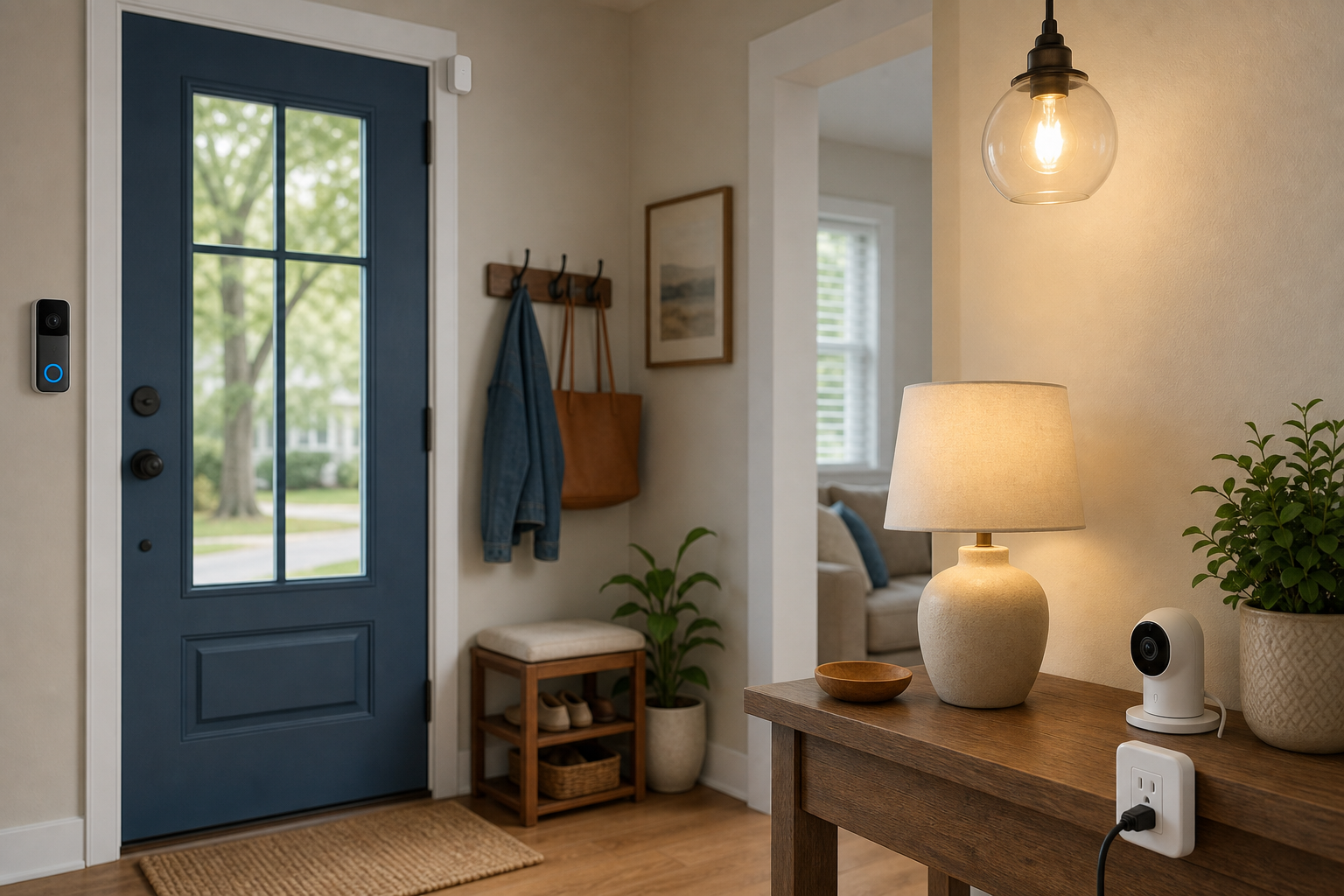
- For entry cameras, prioritize angles that show approaches and packages clearly.
- For indoor cameras, look for recording controls or a physical privacy shutter.
- Place sensors where events begin: doors, windows, hallways, laundry areas, and utility spaces.
Judge lighting and plugs by automation rules
Smart bulbs are flexible for brightness, color temperature, schedules, and room mood. Smart switches are better for controlling several bulbs at once, but they may require specific wiring such as a neutral wire.
Smart plugs suit simple on-off control for lamps, fans, and small appliances within the plug’s rated load. Before buying, compare automation triggers, energy monitoring, manual buttons, and behavior after a power outage.
- Choose products around real routines: arrive home, leave home, motion detected, night mode, or vacation mode.
- Check lumen output, color temperature range, and dimming smoothness for lighting.
- Treat security automations as helpful layers, not as a guarantee of safety.
- Start with one or two important rooms, then expand after the setup proves reliable.
Frequently asked questions
What should I compare first?
A practical guide to choosing security cameras, video doorbells, sensors, smart plugs, and smart bulbs by comparing compatibility, setup, privacy, and automation needs. Start with use frequency, dimensions, warranty, replacement parts, recent reviews, and the return policy before chasing the lowest price.
Should I check Amazon, Coupang, or AliExpress first?
Use Amazon and Coupang for fast delivery categories, then compare AliExpress for low-cost accessories, parts, and bundles.
Where should I confirm price and availability?
Prices, coupons, shipping times, and stock change often, so confirm the final details on the merchant page before buying.