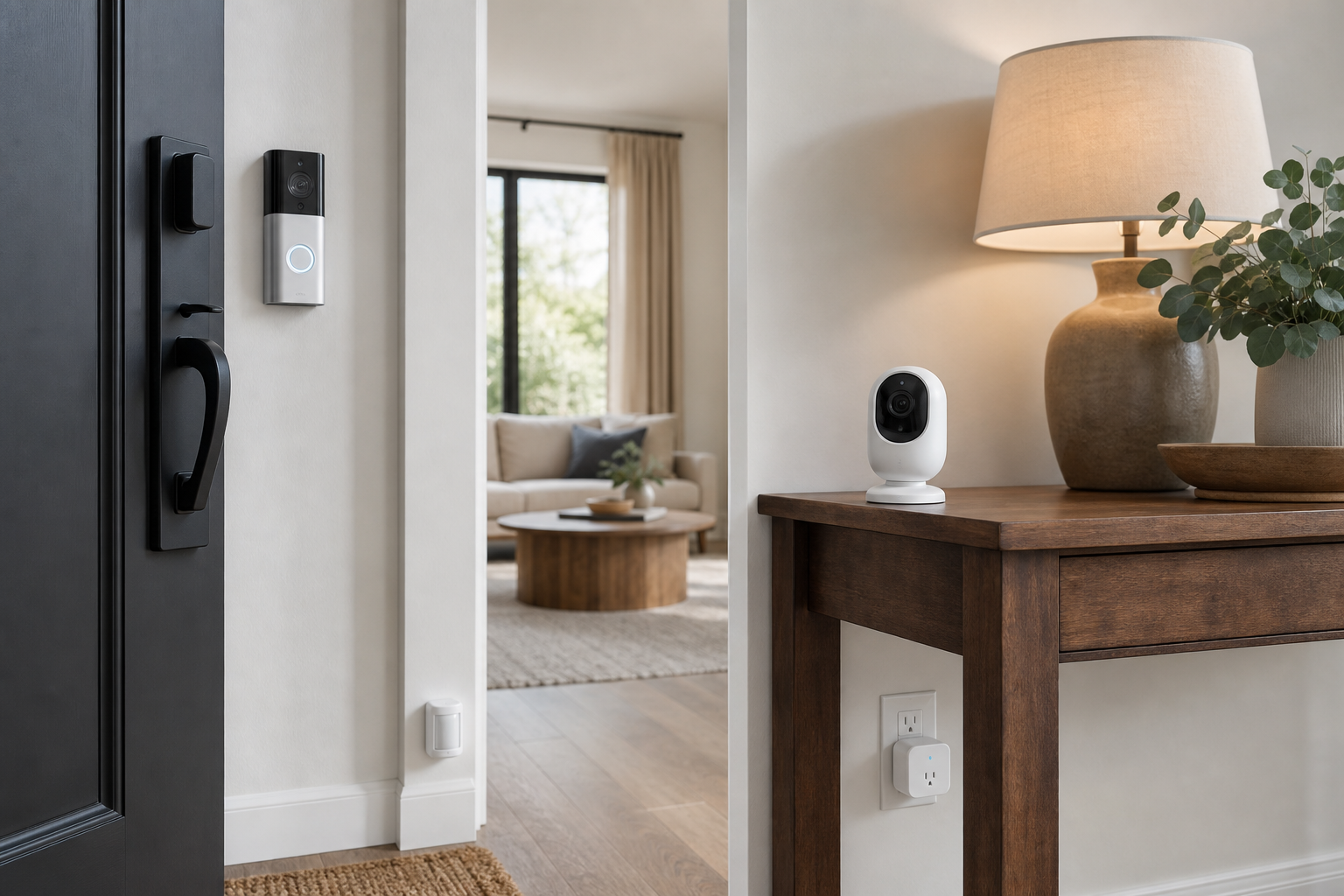
Start With The Automation You Actually Need
A smart home works best when the devices support clear routines, not when every room is filled with gadgets. Decide whether your priority is entry monitoring, lighting schedules, remote alerts, energy control, or simple convenience.
Check how each product fits with your current app, voice assistant, hub, and Wi-Fi network. Protocols such as Matter, Thread, Zigbee, and Wi-Fi can affect setup, range, responsiveness, and future expansion.
- For cameras and video doorbells, compare field of view, night vision, storage options, and power source.
- For door and motion sensors, check placement, battery life, and alert delay.
- For smart plugs and bulbs, review load rating, brightness, color temperature, and scheduling controls.
- Use retailer pages only to verify price, delivery, return policy, and availability.
Compare Cameras And Sensors Beyond Specs
Camera resolution matters, but storage, privacy controls, and notification quality often matter more in daily use. Indoor cameras may benefit from a physical privacy shutter, while outdoor models need weather resistance and dependable power.
Sensors are the triggers that make automation feel useful. Door, motion, leak, and temperature sensors can connect everyday events to lights, plugs, and alerts without requiring constant manual control.
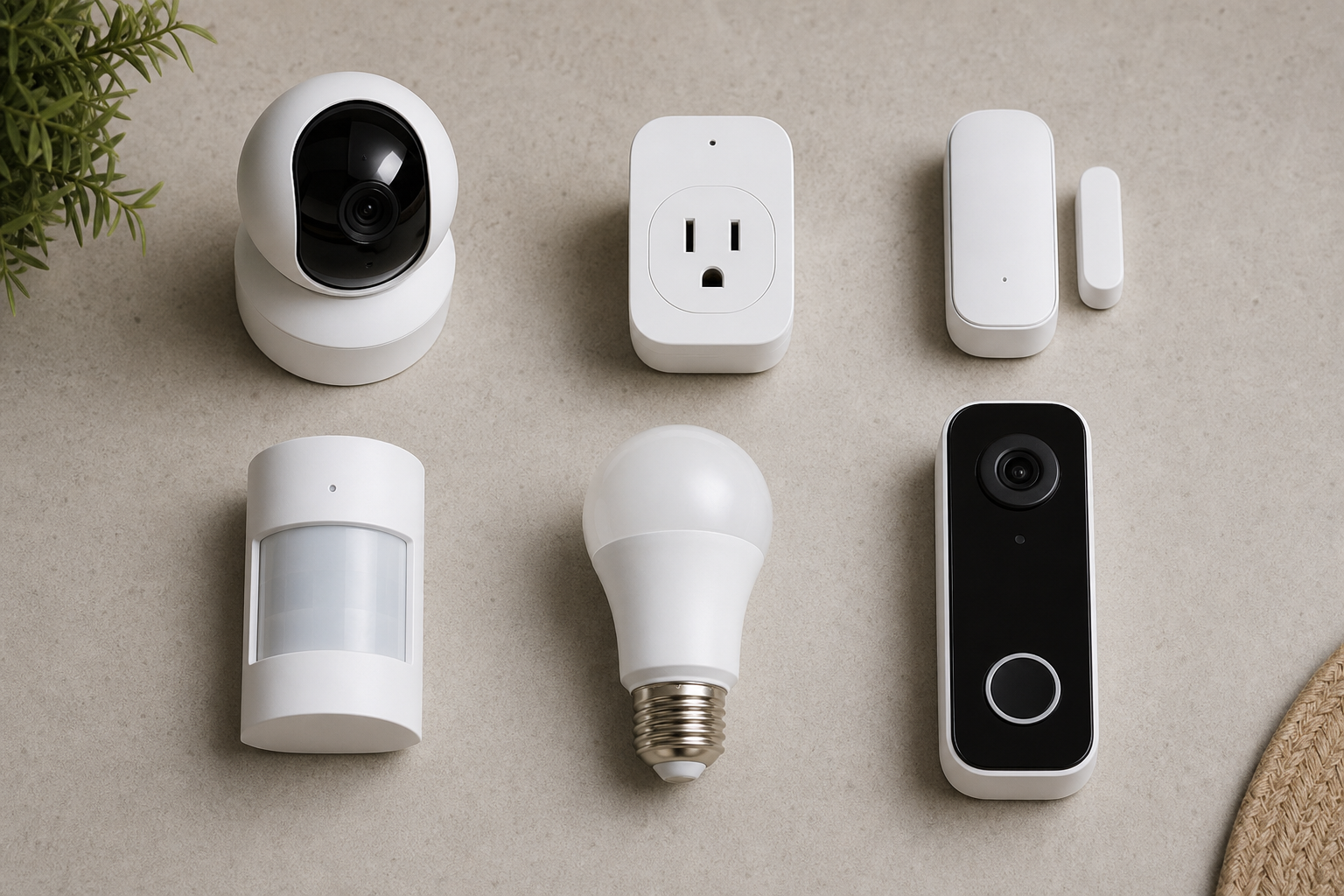
- Compare local storage and cloud storage by cost, access, and retention period.
- For outdoor devices, check weather rating, operating temperature, and cable or battery maintenance.
- Look for adjustable motion sensitivity, activity zones, and clear family sharing permissions.
- Confirm whether sensors use adhesive mounting or screws, especially in rented homes.
Plan Lighting Automation For Long-Term Use
Lighting is often the easiest smart home upgrade to notice. Smart bulbs offer flexible color and brightness, while smart plugs or switches can bring automation to existing lamps and appliances.
Before buying, look at app update history, support options, replaceable batteries, and whether a hub is required. A setup that can expand within the same ecosystem is usually easier to manage over time.
- Start with high-use spaces such as the entryway, hallway, bedroom, or living room.
- Compare schedules, sunrise and sunset routines, and motion-based on-off behavior.
- Make sure household members can still use manual controls comfortably.
- Test a few core devices before expanding across the whole home.
Frequently asked questions
What should I compare first?
A practical, neutral guide to choosing security cameras, video doorbells, smart sensors, plugs, and bulbs for a reliable home automation setup. Start with use frequency, dimensions, warranty, replacement parts, recent reviews, and the return policy before chasing the lowest price.
Should I check Amazon, Coupang, or AliExpress first?
Use Amazon and Coupang for fast delivery categories, then compare AliExpress for low-cost accessories, parts, and bundles.
Where should I confirm price and availability?
Prices, coupons, shipping times, and stock change often, so confirm the final details on the merchant page before buying.