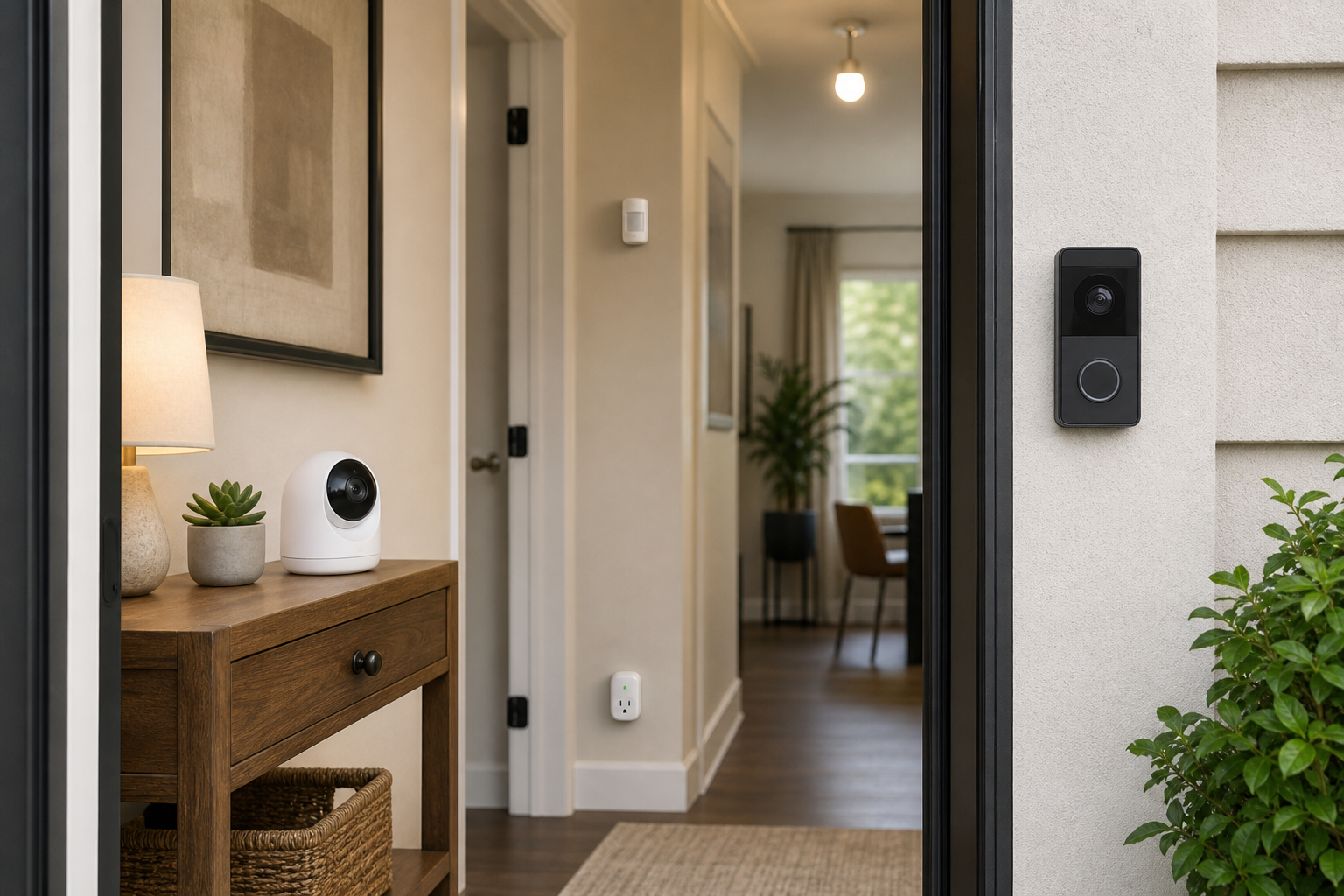
Start with the automation goal
Smart home buying works best when you plan around routines instead of isolated devices. Define the scenes you want first, such as entryway security, night lighting, away mode, or simple energy control.
Before buying, check your preferred ecosystem and wireless standards. Matter, Thread, Zigbee, and Wi‑Fi support, plus whether a hub is required, can affect setup effort and long-term compatibility.
- Map your home by zones and estimate how many devices each zone needs.
- Check voice assistant support, app quality, and family account sharing.
- For rentals, prioritize products that install without wiring changes.
- Use stores as neutral places to verify price, delivery, return policy, and availability.
Compare cameras and doorbells by coverage and storage
Security cameras and video doorbells should not be judged by resolution alone. Field of view, night performance, backlight handling, alert speed, weather rating, and power type usually matter more in daily use.
Storage is another major decision. Compare cloud and local recording options, subscription requirements, retention periods, and privacy controls before committing to a system.
- For a front door, wide coverage of visitors and packages can matter more than maximum detail.
- Outdoor devices should list weather resistance and operating temperature ranges.
- Battery models are easier to install, but charging frequency and cold-weather performance matter.
- Motion zones and alert frequency controls help reduce unnecessary notifications.
Judge sensors, plugs, and lighting by automation rules
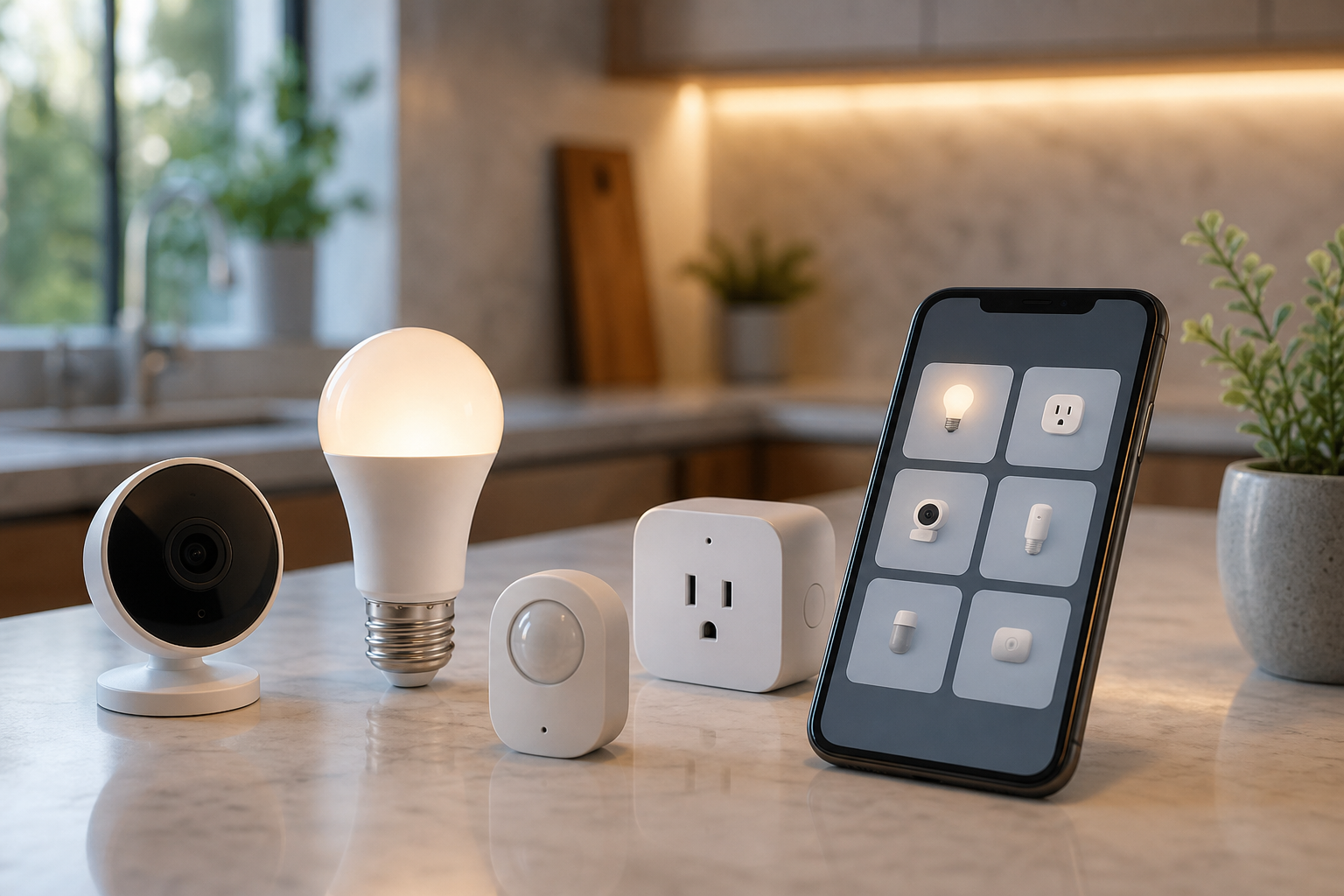
Sensors, smart plugs, and bulbs become more useful when they work together. Look for rules based on door state, motion, brightness, time, and occupancy so lights and power respond automatically.
For lighting automation, reliability and response time often matter more than color features. In frequently used rooms, choose setups that do not fight with manual wall switches.
- Check a smart plug’s rated load against the appliance you plan to use.
- Compare sensor battery type, mounting method, and detection range.
- For smart bulbs, review color temperature, dimming range, and switch behavior.
- Return windows and warranty terms are useful because real-home compatibility is easiest to confirm after installation.
Frequently asked questions
What should I compare first?
A practical buying guide for choosing security cameras, video doorbells, smart plugs, sensors, and bulbs without relying on temporary prices or rankings. Start with use frequency, dimensions, warranty, replacement parts, recent reviews, and the return policy before chasing the lowest price.
Should I check Amazon, Coupang, or AliExpress first?
Use Amazon and Coupang for fast delivery categories, then compare AliExpress for low-cost accessories, parts, and bundles.
Where should I confirm price and availability?
Prices, coupons, shipping times, and stock change often, so confirm the final details on the merchant page before buying.